This case involved a serious motorcycle collision with a government vehicle, disputed liability, and allegations that would have barred any recovery if accepted. The matter proceeded through years of litigation and trial, ultimately resulting in a jury verdict in favor of the injured motorcyclist and his passenger.
At the time of trial, the governing law required the plaintiff to prove that the motorcyclist was not at fault in any way. Any finding of comparative fault would have eliminated recovery entirely.
Case Overview
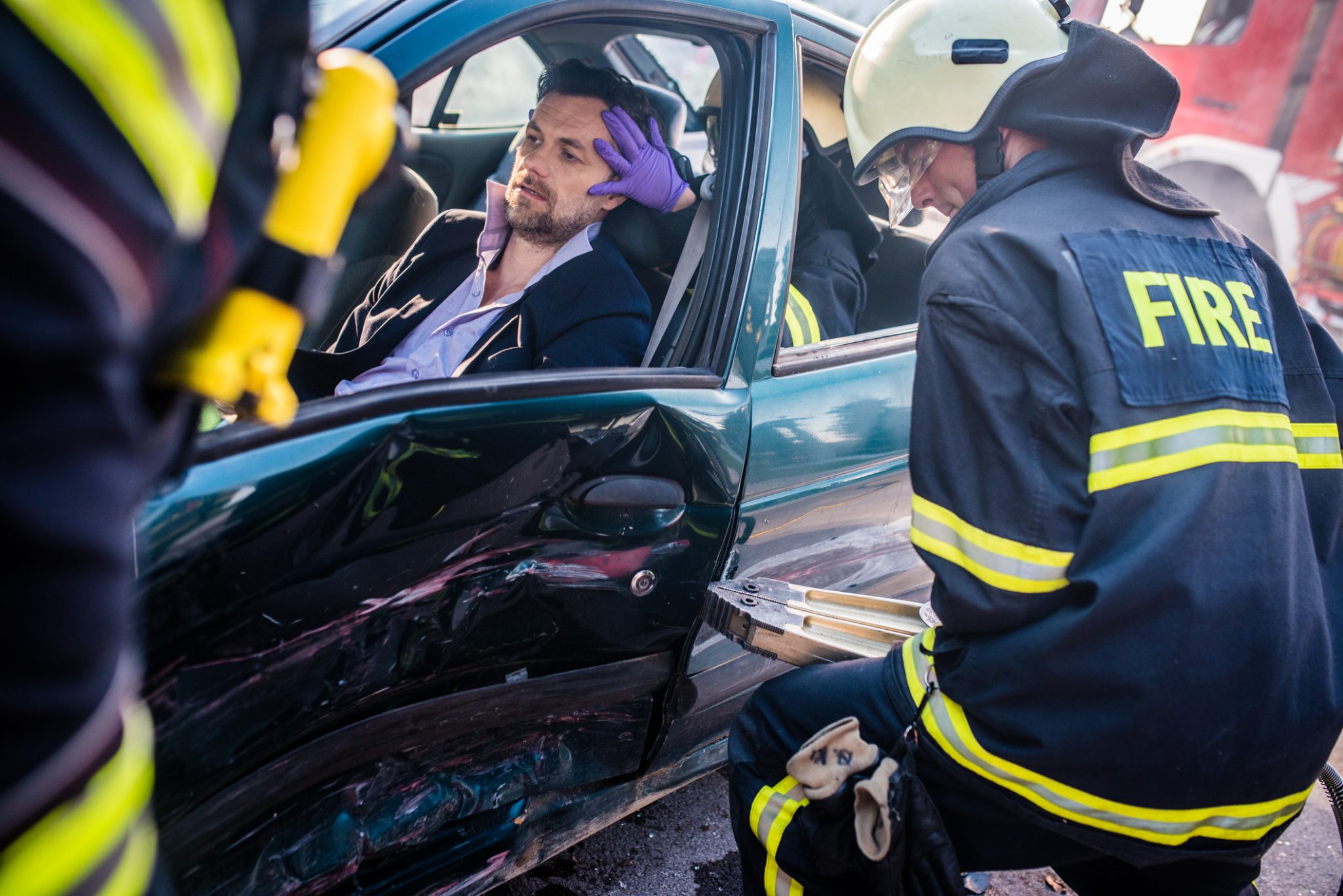
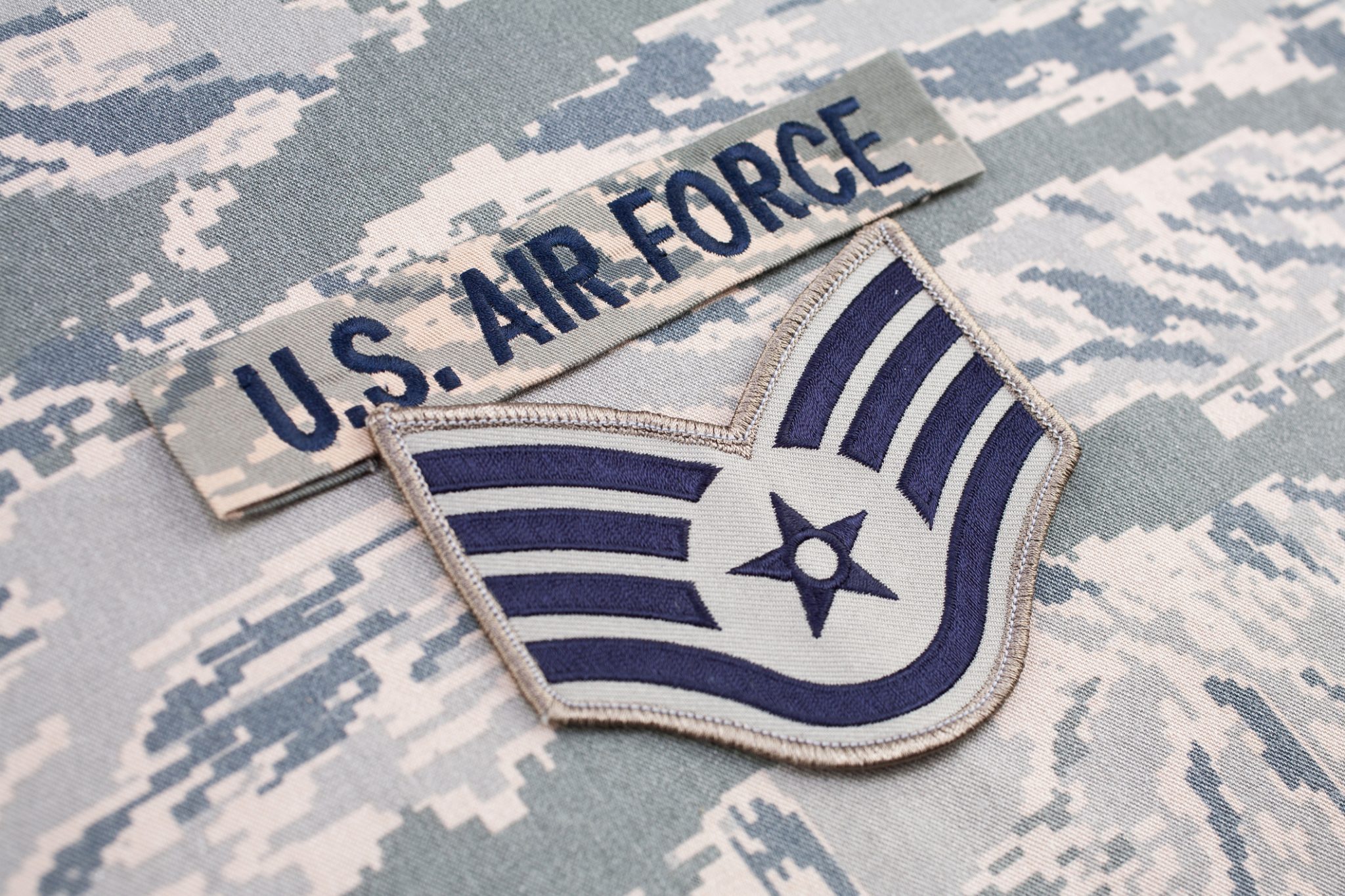
The case arose from a collision between a motorcycle and a United States Air Force bus at an intersection in Myrtle Beach, South Carolina. The motorcyclist was traveling north on a dual-lane highway when the Air Force bus, traveling west and controlled by a stop sign, entered the intersection to make a left-hand turn.
The collision caused the motorcycle to ignite and resulted in both the driver and passenger being thrown over the bus and down the roadway. The motorcyclist, a 28-year-old electrician, sustained severe burns to his torso, injuries to his arms, shoulders, and legs, and a mild traumatic brain injury.
The case proceeded through extensive discovery and expert review before being tried to the court.
The Central Legal Challenge
The central issue in this case was fault. Under the law in effect at the time, any fault attributed to the motorcyclist would have barred recovery entirely.
The defense focused on shifting responsibility to the motorcyclist by alleging excessive speed and impairment. If those allegations were accepted, the severity of the injuries would have been legally irrelevant.
As a result, the case turned on whether the evidence supported the defense narrative or established that the Air Force bus driver was solely responsible for the collision.
Defense Arguments and Risk Factors
The United States Air Force asserted that the motorcyclist:
These arguments were supported, at least initially, by medical records generated at the first hospital where the motorcyclist was treated. Those records suggested alcohol consumption and the presence of opiates.
Given the destruction of the motorcyclist’s personal identification in the fire and the involvement of a government defendant, these allegations posed a significant risk to the case.
Investigation and Litigation Strategy
The case required years of discovery and extensive expert analysis, including review by medical experts and accident reconstruction specialists.
A critical issue involved conflicting medical evidence from two different hospitals. While the first hospital records suggested alcohol and narcotics involvement, the second hospital, where the motorcyclist was transferred due to the severity of his burns, conducted additional testing.
The second hospital’s testing showed no alcohol in the motorcyclist’s system. Although opiates were detected, further investigation revealed that morphine had been administered as part of emergency medical treatment following the collision.
Discovery established that the initial hospital may have mixed blood samples from two unidentified patients admitted the same night. Because the motorcyclist’s wallet and identification were destroyed in the fire, proper identification at intake was compromised.
Review of medical billing records confirmed that morphine had been administered to the motorcyclist shortly after arrival at the first hospital, explaining the presence of opiates without indicating illegal drug use or impairment.
Trial and Outcome
The case proceeded to a one-week trial. After hearing the evidence, the court concluded that the motorcyclist was not speeding, was not intoxicated, and bore no fault for the collision.
The court found that the United States Air Force bus driver was responsible for entering the intersection without yielding.
Damages were awarded in the amount of $2.75 million to the motorcyclist. The passenger also received a verdict of $800,000. Prior to trial, the highest offer made by the United States Government was $100,000.
Why This Case Matters
This case illustrates the complexity of motorcycle accident cases involving disputed liability and allegations of impairment. It also demonstrates the importance of careful medical record analysis, expert testimony, and sustained litigation when initial evidence appears unfavorable.
Cases involving government defendants and strict fault standards require particular attention to detail. In this matter, the outcome turned on separating emergency medical treatment from assumptions of intoxication and establishing fault through evidence rather than inference.
Additional case studies examining contested personal injury, wrongful death, and medical malpractice matters are available in our case studies section.
Past results do not guarantee future outcomes. Each case is different and must be evaluated on its own facts and circumstances.