
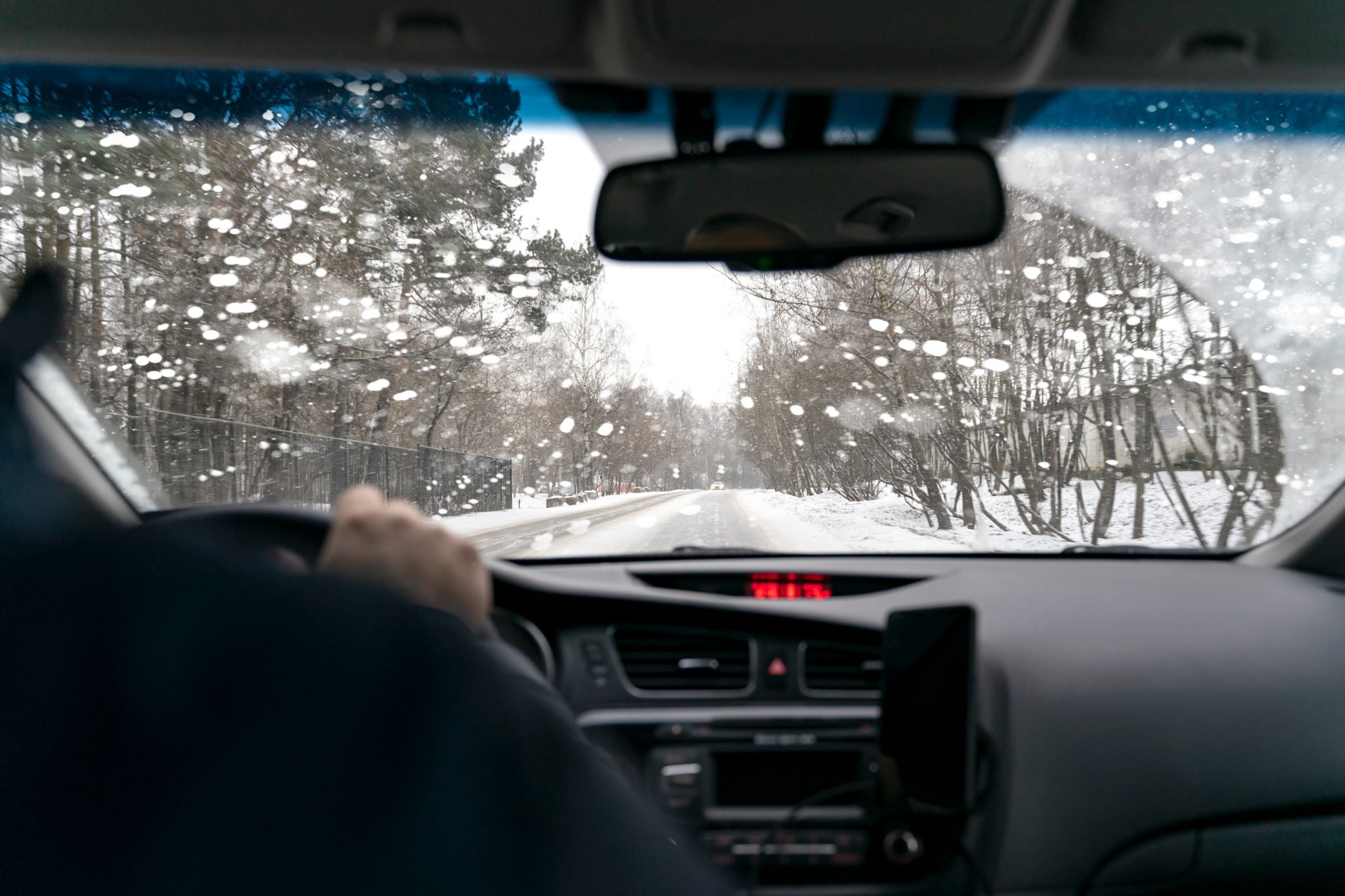
As we all know, Lansing’s weather can be unpredictable…..sometimes changing dramatically within the same day. These shifting conditions create unique challenges for drivers, making it essential to stay vigilant and prepared. From winter snow and ice to spring rains and autumn fog, weather plays a significant role in driving safety throughout the year. Whether you’re a resident or just passing through, understanding these seasonal impacts can help you navigate Lansing’s roads more confidently and safely. Learn more about your legal options after a car accident in Lansing and get answers to your questions.
Winter Snow and Ice: Leading Causes of Weather-Related Crashes in Lansing
Winter in Lansing is marked by significant snowfall and icy conditions, which substantially increase the risk of car accidents for obvious reasons. According to Michigan Traffic Crash Facts, Michigan reported a total of 30,786 winter-weather crashes, including 59 fatal incidents in 2022-2023. Notably, 54.1% of these were single-vehicle crashes, often resulting from drivers losing control on slick surfaces. Speeding was a contributing factor in many cases, with 13,795 drivers involved in winter crashes cited for driving too fast for conditions.
Ingham County also consistently reports a high number of winter-related accidents. While specific county data for the 2022-2023 season is not available, urban areas like Lansing and East Lansing experience a significant share of such incidents due to dense traffic, numerous intersections, and the mix of residential and commercial zones.
Rain and Wet Roads: Increased Risk of Hydroplaning and Collisions
Rainfall is another weather condition that impacts driving safety in Lansing. Wet roads reduce tire traction, increasing the likelihood of hydroplaning, where a vehicle skids uncontrollably on the wet surface. Additionally, rain can impair visibility, making it challenging for drivers to see other vehicles, pedestrians, or road hazards. Wet conditions demand increased caution from drivers and not all drivers practice defensive driving.
Fog and Reduced Visibility: A Hidden Danger in Lansing’s Changing Seasons
Fog is common in Lansing especially during spring and fall when morning temperatures differ greatly. Reduced visibility due to fog can lead to severe accidents, as drivers may struggle to see other vehicles, traffic signals, or road signs. The dangers associated with reduced visibility are well acknowledged and it requires heightened driver awareness and caution.
Seasonal Trends: When Do Most Weather-Related Crashes Occur?
Analyzing accident data by season reveals patterns that can inform preventive measures. Statewide data from Michigan.gov from 2022 indicates that November had the highest number of traffic crashes, totaling 32,560 incidents. This spike correlates with the onset of winter weather, including early snowfalls and icy conditions. The summer months despite generally better driving conditions also report a high number of accidents. This is most likely due to increased travel and road construction activities which occurs that time of year.
Staying Safe on Lansing’s Roads: Weather-Driven Driving Tips
To mitigate the risks associated with Lansing’s poor weather conditions, drivers are encouraged to adopt the following safety practices:
- Adjust Speed to Conditions: Always drive at a speed that matches the current road and weather conditions, even if it means going below the posted speed limit.
- Maintain Safe Following Distances: Increase the distance between your vehicle and the one ahead to allow ample time for braking on slippery or wet roads.
- Equip Vehicles for Winter: Use winter tires, ensure windshield wipers are functional, and keep de-icing materials on hand during the colder months.
- Use Headlights Appropriately: In low-visibility conditions such as fog, rain, or snow, use headlights to increase your vehicle’s visibility to others.
- Stay Informed: Regularly check weather forecasts before traveling and plan routes that consider current and expected conditions.
What to Do If You’re in a Weather-Related Accident in Lansing
If you find yourself involved in a weather-related accident in Lansing, it’s crucial to take specific steps to ensure your safety and protect your rights to compensation:
- Ensure Safety: Check for injuries and move to a safe location if possible.
- Contact Authorities: Call 911 to report the accident and request medical assistance if needed.
- Document the Scene: Take photographs of the accident scene, vehicle damages, and any relevant road conditions.
- Exchange Information: Share contact and insurance details with the other parties involved.
- Notify Your Insurance Company: Report the accident to your insurer promptly.
- Consult Legal Counsel: Seek advice from a qualified attorney to understand your rights and potential avenues for compensation, especially given Michigan’s no-fault insurance laws.
Navigating Lansing’s Weather and Protecting Your Rights
Lansing’s diverse weather patterns present distinct challenges to drivers, which contributes to increased accident risks throughout the year. By understanding these risks and implementing proactive safety measures, motorists can navigate the roads more safely. In the unfortunate event of an accident, especially one influenced by adverse weather, seeking legal representation in the Lansing area can help you navigate the complexities of Michigan’s no-fault insurance system and ensure that your rights are fully protected.
Frequently Asked Questions About Weather-Related Car Accidents in Lansing
How common are weather-related car accidents in Lansing? Weather-related car accidents are prevalent in Lansing, especially during winter months. The combination of snow, ice, and freezing rain contributes to a higher number of incidents compared to other seasons.
Can weather conditions affect who is at fault in an accident? Yes, weather conditions can influence fault determinations. However, drivers are expected to adjust their speed and driving behavior to match weather conditions. Failing to do so can result in liability, even if weather was a contributing factor.
Does Michigan’s no-fault insurance cover weather-related accidents? Michigan’s no-fault insurance system covers medical expenses and lost wages for drivers involved in weather-related accidents, regardless of fault. However, vehicle damage is only covered if you have optional collision coverage.
What should I do if the other driver was driving too fast for the weather conditions? If another driver was speeding or driving recklessly in poor weather, their negligence may impact your case. Document the conditions and seek legal advice to explore your options for compensation.
Are commercial drivers held to different standards during adverse weather? Yes, commercial drivers, including truck drivers, must follow federal regulations that require reduced speeds and increased caution in poor weather. Noncompliance can significantly increase liability in Lansing truck accidents.
How can I strengthen my case if I was in a weather-related accident? Collect evidence such as weather reports, accident scene photos, and witness statements. Consulting an experienced car accident lawyer can help you navigate Michigan’s legal system and maximize your compensation.