
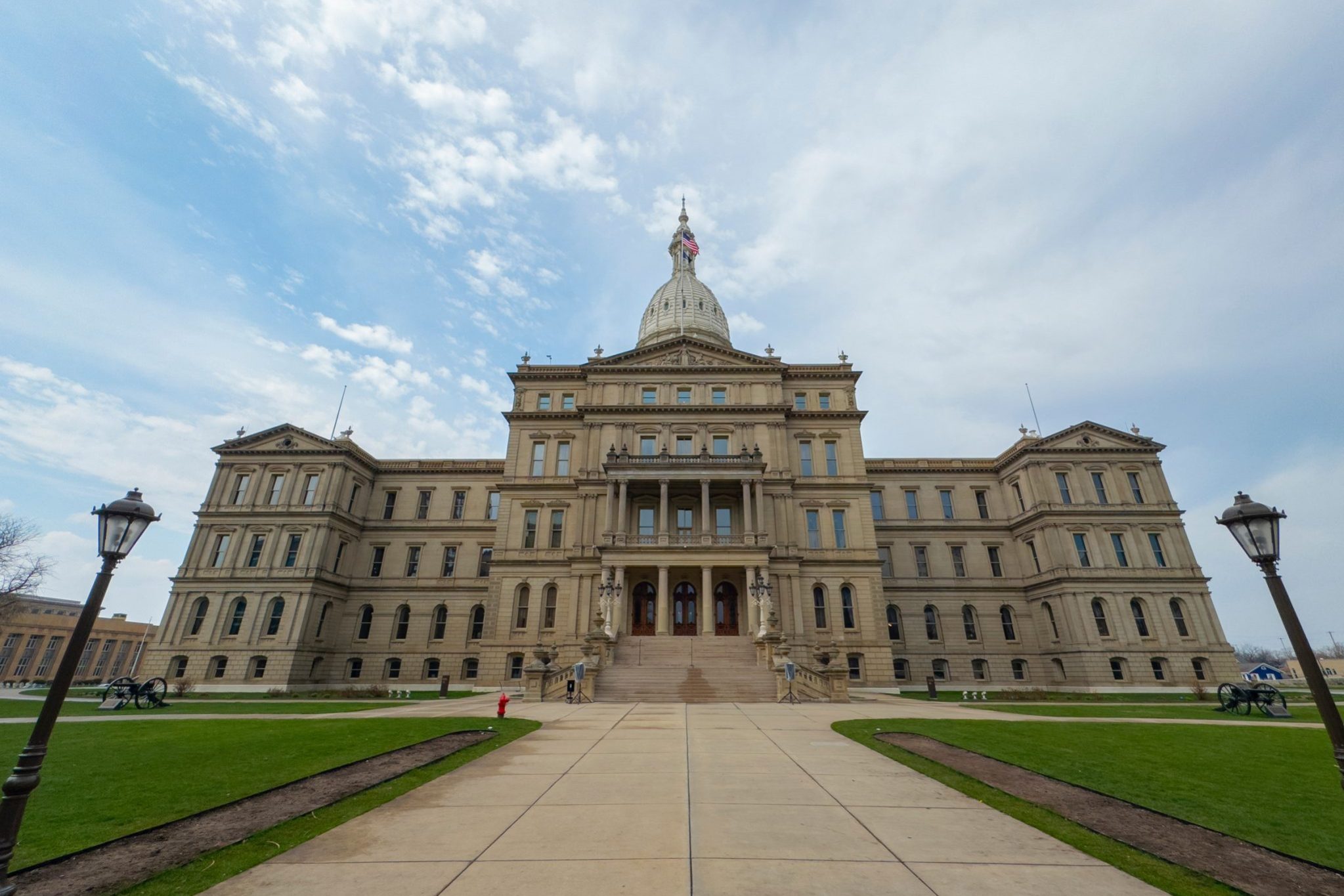
When a state employee is injured while working in Lansing, the legal path forward is not always straightforward. Some injuries are handled through workers’ compensation, while others may involve a separate personal injury claim depending on how the incident occurred, who was responsible, and whether a third party contributed to the injury.
Understanding the difference matters because these claim types operate under different legal standards, provide different forms of compensation, and follow different procedures. This guide explains how workers’ compensation and personal injury claims apply to state employees in Lansing, when each may be available, and what factors determine which legal options may exist.
Why Injury Claims for State Employees Are Different
Injuries involving state employees are evaluated under a different legal framework than injuries involving private workers. Government employment status can affect how an injury is classified, what insurance system applies, and which procedures must be followed before a claim can move forward. For individuals working for the State of Michigan or within major state agencies such as the Michigan Department of Health and Human Services, these distinctions can influence which rules apply after a workplace injury. Depending on how the incident occurred, an injury may fall under workers’ compensation rules, civil liability rules, or a combination of both, each with its own standards and limitations.
For state employees, the key issue is not just how the injury happened but who is legally responsible and which system governs the claim. Government employment can change the legal pathway entirely, meaning the same accident may be handled very differently depending on the worker’s status and the circumstances involved.
Because of this, advice that applies to typical workplace injuries does not always translate to government employment situations. Incidents involving state vehicles, public property, third-party contractors, or offsite duties can introduce additional legal considerations that affect eligibility, deadlines, and available compensation. Evaluating these claims correctly requires looking beyond the injury itself and analyzing the employment role, the setting, and the parties involved.
Workers’ Compensation vs Personal Injury Claims: Key Differences
When a state employee is injured while working, the legal path available often depends on how the injury occurred and who was responsible. Some situations fall under workers’ compensation, which is designed to provide benefits regardless of fault. Others may involve a personal injury claim, which requires proving that another party caused the harm. Understanding how these systems differ is important because each follows different rules, provides different types of recovery, and applies in different circumstances.
| Factor | Workers’ Compensation | Personal Injury |
|---|---|---|
| Fault required | No | Yes |
| Damages available | Limited to defined benefits | Broader compensation may be available |
| Who pays | Employer’s insurance carrier | At-fault party or their insurer |
These distinctions matter because the type of claim that applies can directly affect what compensation may be available and what steps must be taken after an injury. In some cases, only one system applies. In others, both may be relevant depending on whether a third party contributed to the incident. Determining which path applies requires evaluating the facts of the injury, the worker’s role at the time, and the parties involved.
When Workers’ Compensation Applies to a Lansing State Employee
Workers’ compensation generally applies when a state employee is injured while performing job duties or engaging in activities connected to their employment. The central issue is whether the injury arose out of and in the course of work, not whether anyone was at fault under rules administered by the Michigan Workers’ Disability Compensation Agency. For many government employees in Lansing, this includes incidents that occur inside state offices or public buildings, as well as injuries sustained while carrying out assigned tasks during the workday. If the activity was part of the employee’s job responsibilities at the time, the claim will often fall within the workers’ compensation system.
Common examples include slipping inside a government facility, developing repetitive strain injuries from required job tasks, or suffering a lifting injury while handling materials for work. These types of incidents are typically addressed through workers’ compensation because they stem directly from employment duties rather than from the actions of a third party. Determining whether a claim qualifies depends on the specific facts, including what the employee was doing, where the incident occurred, and how closely the activity was tied to their job role.
When a Personal Injury Claim May Also Be Possible
In some situations, an injured state employee may have grounds for a personal injury claim in addition to or instead of a workers’ compensation claim. This typically happens when someone other than the employer is legally responsible for the injury. While workers’ compensation generally covers work-related injuries regardless of fault, a personal injury claim focuses on whether a third party caused or contributed to the incident through negligence, defective products, or unsafe conditions.
Examples can include being struck by another driver while traveling for work, being injured by defective equipment supplied by an outside manufacturer, being harmed because of a contractor’s unsafe actions, or slipping on hazardous property owned or maintained by someone other than the employer. In these situations, the legal analysis centers on who controlled the conditions that led to the injury and whether that party failed to act reasonably under the circumstances. When a third party is involved, the claim may fall outside the workers’ compensation system and instead be evaluated under civil liability standards.
Situations Where Both Claims May Exist
In some workplace injury cases involving state employees, both a workers’ compensation claim and a personal injury claim may apply at the same time. This usually occurs when an injury happens during the course of employment but is caused by someone other than the employer. In these situations, the workers’ compensation system may provide benefits for medical care and wage loss, while a separate civil claim may exist against the third party whose actions contributed to the injury. Determining whether both claims are available depends on analyzing responsibility, employment status at the time of the incident, and the role each party played in causing the harm.
Situations where dual claims may arise include:
- injuries caused by a negligent third party while the employee was performing job duties
- accidents involving drivers who are not employed by the state
- harm caused by defective equipment or products supplied by an outside company
- injuries resulting from unsafe conditions on property not owned or controlled by the employer
When both types of claims exist, additional legal considerations may apply, including how benefits are coordinated between systems and whether reimbursement obligations arise if compensation is recovered from a third party. These issues can affect how a case is evaluated, how damages are pursued, and how recovery is ultimately structured, which is why dual-claim situations are typically analyzed carefully before any claim decisions are made.
Common Misunderstandings About State Employee Injury Claims
Some state employees assume that any injury that happens while working must be handled only through workers’ compensation. In reality, eligibility depends on how the incident occurred and who was responsible. Government employment status does not automatically prevent a separate claim when a third party caused or contributed to the injury. Understanding that distinction is important because the available legal options may differ significantly depending on the facts.
Factors That Affect Which Claim Path Applies
Whether an injury claim falls under workers’ compensation, a personal injury claim, or both depends on the specific facts surrounding the incident. The legal analysis focuses on how the injury occurred and which parties were responsible, not just the injury itself. Even small details can change which system applies and what legal options may be available. Key factors that typically determine the appropriate claim path include:
- where the incident occurred
- who caused or contributed to the injury
- whether the employee was performing job duties at the time
- what equipment, vehicles, or materials were involved
- who owned or controlled the property where the incident happened
Because these factors shape how a claim is classified, injury cases involving state employees are usually evaluated based on the full context of the event rather than assumptions about workplace coverage.
How Injury Cases Involving State Employees Are Handled in Lansing
Injury cases involving state employees in Lansing are shaped not only by general legal principles but also by local factors that influence how claims develop. Medical providers, insurance carriers, and procedural timelines can all affect how a claim progresses, particularly when documentation, reporting, and treatment decisions occur early. Because these elements often interact, claims are typically analyzed based on both legal standards and practical realities specific to the area.
For a more detailed explanation of how local factors influence injury claims, including documentation, liability review, and claim progression, you can review how injury claims are handled in Lansing. Understanding how these processes work locally can help clarify what steps may matter most after an injury and how different claim paths may unfold depending on the circumstances.
Speaking With a Lawyer After a Workplace Injury
After a workplace injury, many people are unsure which type of claim may apply or whether legal guidance is even necessary. Because eligibility can depend on details such as who was responsible, where the incident occurred, and whether job duties were involved, getting clear information early can help prevent mistakes that affect a claim later.
Speaking with a lawyer can help clarify which legal path may be available, what deadlines may apply, and what steps might matter most based on the specific circumstances. Even when someone ultimately decides not to pursue a claim, understanding how the process works can make it easier to make informed decisions about what to do next.