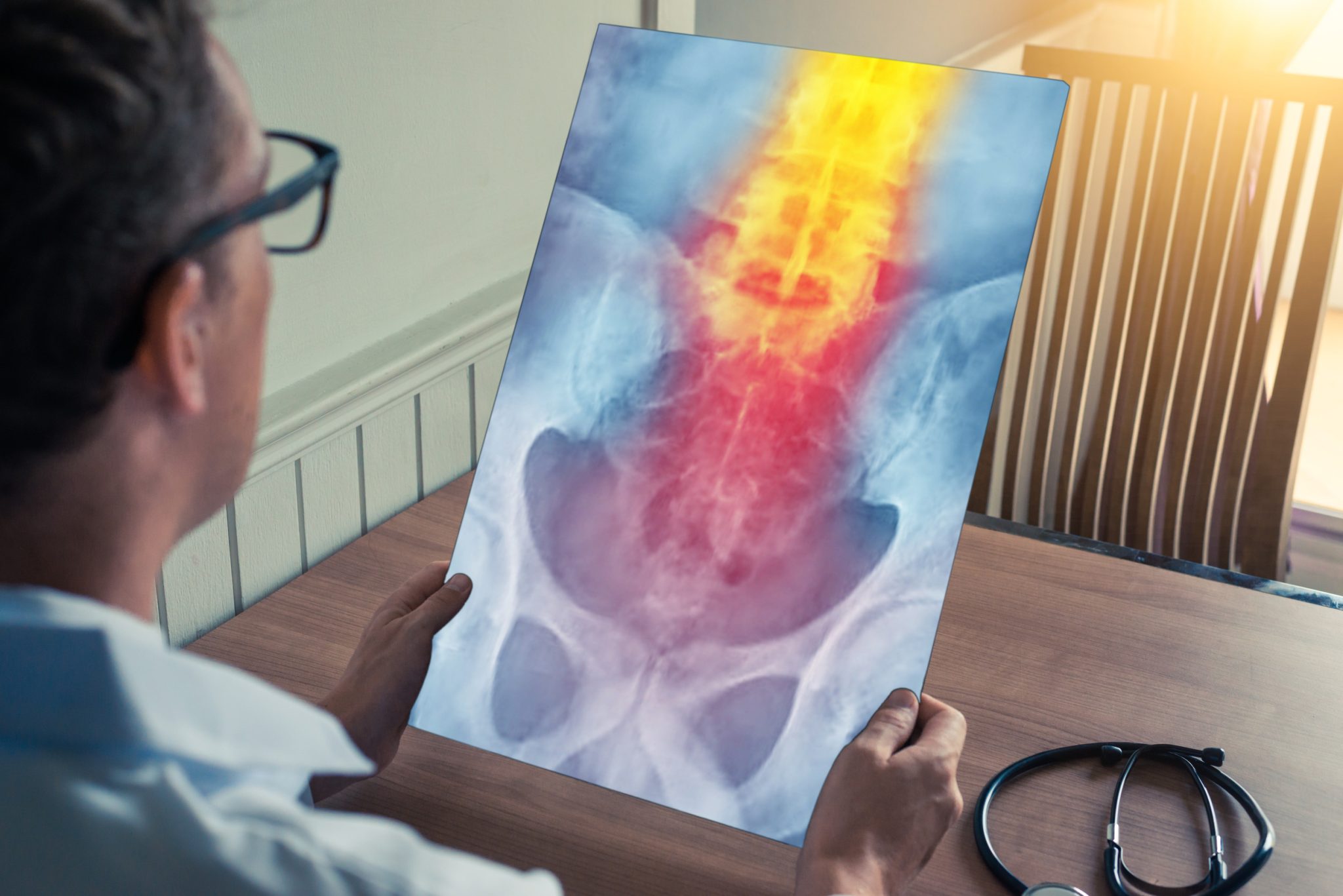
This case involved delayed surgical intervention for cauda equina syndrome, a medical emergency in which timing is critical to preventing permanent neurological injury. Although the need for immediate surgery was recognized, the delay resulted in irreversible harm and lifelong impairment. The matter ultimately resolved for $1.6 million.
Case Overview
The client initially contacted the Clark Law Office believing she had been the victim of medical malpractice. Prior to the events at issue, she had been active and working in her yard when she experienced sudden and severe lower back pain with radiating symptoms into her leg.
She sought medical care through her primary care provider and was first evaluated by a physician assistant, who did not believe the symptoms indicated a serious condition. As the pain intensified, the client returned for further evaluation. Upon examination by a physician, cauda equina syndrome was suspected, and the client was referred to the hospital for immediate surgical intervention.
Despite the urgency of the diagnosis, surgery was not performed promptly after hospital admission.
The Central Medical and Legal Issue
Cauda equina syndrome is a time-sensitive neurological emergency. When compression of the cauda equina nerves occurs, prompt surgical decompression is required to prevent permanent damage.
The central issue in this case was not whether surgery was indicated, but whether the delay in performing surgery caused the permanent injuries that followed. Once the client passed the window in which surgery could effectively reverse the neurological damage, the outcome became irreversible.
The case turned on whether the delay was medically justified or constituted a failure to meet the standard of care.
Defense Position and Risk Factors
The surgeon acknowledged that the client was suffering from cauda equina syndrome and that immediate surgery was indicated. However, the defense claimed the delay occurred because the client reported consuming peanuts within a few hours of presentation, allegedly creating an anesthesia risk.
The surgeon asserted that anesthesia was contacted and that no physician anesthetist would perform the surgery under those circumstances.
This explanation, if accepted, would have shifted responsibility away from the surgeon and hospital and framed the delay as medically unavoidable.
Investigation and Case Development
Investigation focused on reconstructing the decision-making timeline and verifying whether anesthesia consultation actually occurred.
Evidence obtained during the case demonstrated that the surgeon appeared not to have contacted or emailed anesthesia as claimed. Further, anesthesiologists who were on call stated that they would have performed the surgery even if the client had consumed peanuts prior to arrival.
This evidence directly undermined the defense explanation for the delay and supported the conclusion that surgery could and should have been performed earlier. By the time surgery was eventually attempted, the client had passed the window in which decompression could prevent permanent injury.
As a result, the client was left with constant leg pain, impaired mobility, and a permanent limp requiring the use of a cane for the rest of her life.
Resolution and Outcome
The case resolved for $1.6 million.
The settlement reflected compensation for the client’s permanent neurological injuries, chronic pain, mobility limitations, and the lifelong impact of the delayed surgical intervention.
Why This Case Matters
This case illustrates how delays in treating time-sensitive neurological conditions can result in irreversible harm, even when the correct diagnosis is ultimately made. It also demonstrates the importance of verifying medical decision-making and challenging explanations that do not align with hospital records or provider testimony.
Patients facing suspected cauda equina syndrome depend on timely action. When that window is missed, the consequences are permanent. Additional examples of how complex malpractice and injury cases are handled can be found in our personal injury case studies hub and on our Michigan medical malpractice lawyer page.
Past results do not guarantee future outcomes. Each case is different and must be evaluated on its own facts and circumstances.