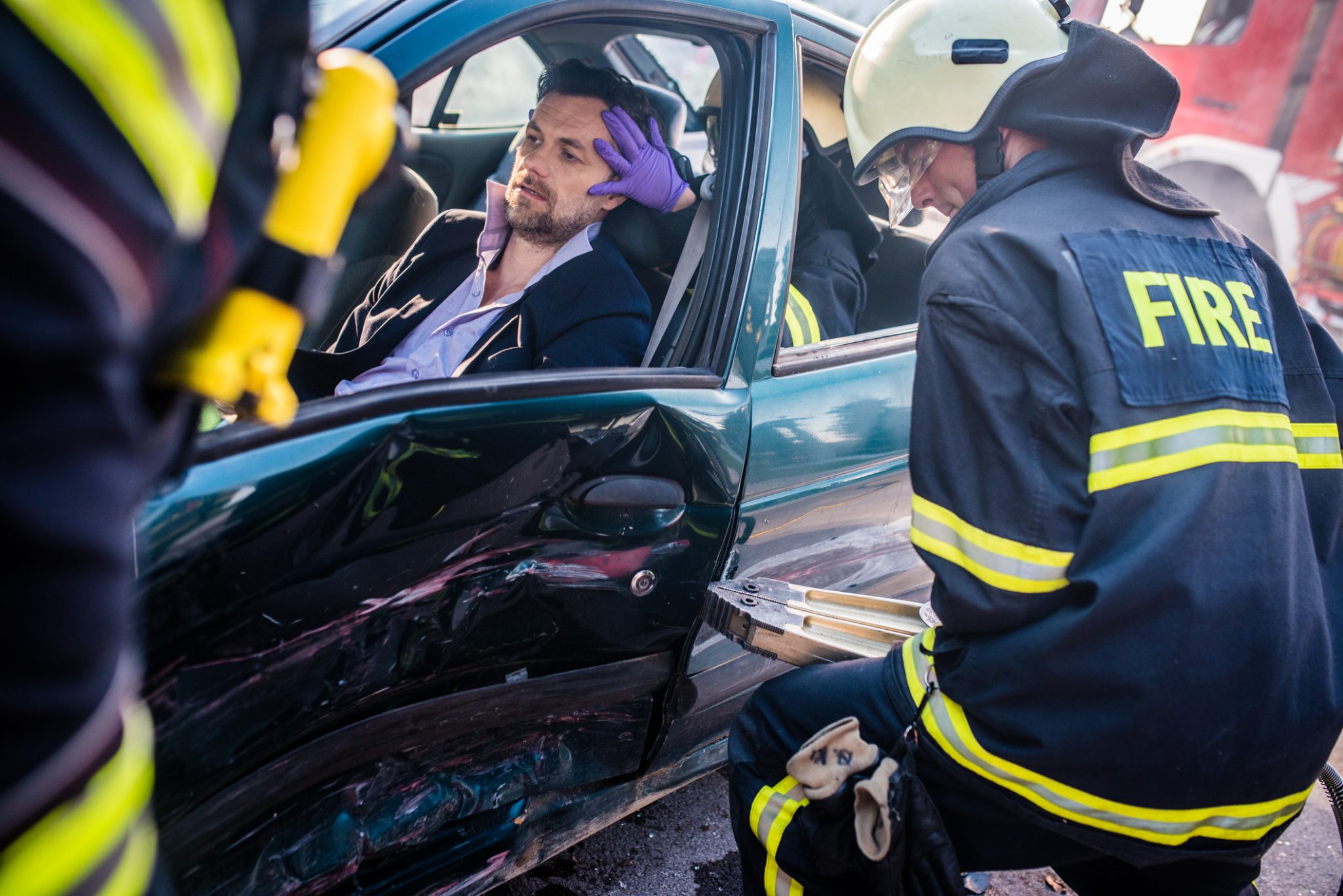
This case involved a rear-end collision that escalated into a multi-impact crash, resulting in severe injuries and significant insurer resistance. Although liability for the initial collision appeared straightforward, meaningful compensation was not achieved until litigation was filed and the case was prepared for trial.
The matter ultimately resolved for $2.3 million after the insurance company declined to negotiate prior to suit.
Case Overview
This auto accident occurred in Eaton County, Michigan, when a vehicle occupied by the client was stopped to make a left-hand turn in Lansing. While stopped, the vehicle was rear-ended by another driver who was not paying attention to the roadway and was looking at their phone.
The force of the rear-end impact pushed the client’s vehicle into oncoming traffic, where it was struck by a large pickup truck. The collision sequence involved multiple impacts and significantly increased the severity of the injuries sustained by the client, who was a passenger in the vehicle.
As a result of the crash, the client suffered multiple broken bones, required several surgeries, endured a lengthy hospital stay, and sustained severe nerve damage to the right lower extremity.
The Central Legal Challenge
Although rear-end collisions are often assumed to be straightforward liability cases, this matter presented substantial challenges regarding damages and case valuation.
The central issue was not whether a collision occurred, but whether the insurance company would acknowledge the full extent of the injuries caused by a multi-impact crash. The defense resisted early resolution and declined to enter meaningful settlement negotiations prior to litigation.
Without filing suit, the case risked being treated as a routine rear-end claim rather than a serious injury matter involving permanent harm.
Defense Position and Risk Factors
The insurance carrier for the at-fault driver refused to negotiate prior to the filing of a lawsuit. Despite clear evidence of distracted driving and the sequence of impacts, the insurer did not engage in pre-suit settlement discussions.
This posture created risk for the injured client, including:
Absent litigation, the defense had little incentive to reassess its valuation of the case.
Litigation Strategy and Case Development
Given the insurer’s refusal to negotiate, suit was filed to pursue compensation for pain and suffering as well as Michigan no-fault benefits.
Through litigation, the case was developed to demonstrate the full scope of the injuries and the causal connection between the rear-end collision, the subsequent impact with oncoming traffic, and the client’s long-term medical consequences. Medical records, surgical history, and evidence of nerve damage were central to establishing the seriousness of the claim.
Filing suit shifted leverage, required the defense to confront the evidence, and ultimately created the conditions necessary for resolution.
Resolution and Outcome
After litigation was initiated and the case was prepared for trial, the matter resolved for a total recovery of $2.3 million.
The settlement reflected compensation for the client’s extensive injuries, surgeries, prolonged hospitalization, and permanent nerve damage. The outcome was achieved only after the insurer’s initial refusal to negotiate and underscores the role litigation can play in contested serious injury cases.
Why This Case Matters
This case illustrates how rear-end auto accidents can result in catastrophic injuries when a stopped vehicle is forced into oncoming traffic. It also demonstrates how insurance companies may resist early settlement even in cases involving distracted driving and clear fault.
For individuals injured in similar crashes, the outcome highlights the importance of proper case development and the willingness to pursue litigation when insurers decline to negotiate in good faith. Additional insight into real Michigan car accident case results can be found in our personal injury case studies hub, along with our Michigan car accident lawyer page, which addresses liability and compensation issues in motor vehicle crashes.
Past results do not guarantee future outcomes. Each case is different and must be evaluated on its own facts and circumstances.