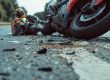
Ways to Avoid Blind Spot Motorcycle Accidents
Blind spots are one of the most common causes of vehicle collisions in Lansing and throughout Michigan. Every driver has a duty to stay alert and aware of surrounding traffic, yet driver distractions and liability often come into play when blind spots are involved. The larger the vehicle, the larger the blind spots, making it harder to detect smaller road users such as motorcyclists.
No matter how often a driver checks mirrors, blind spots can still prevent them from seeing another motorist. When a distracted or inattentive driver changes lanes or turns without properly clearing those areas, they can move directly into the path of another vehicle. If both drivers are unaware, a serious collision can occur.
Blind spot accidents can be especially dangerous for motorcyclists, who lack the structural protection that car drivers have. When a crash happens because a motorist failed to pay attention or drove carelessly, liability often depends on whether that driver took reasonable steps to identify and avoid the hazard.
How to Identify Blind Spots
Blind spots are the areas around a vehicle where the driver has no direct visibility. You cannot see these areas in your rear-view mirror or side mirrors. All vehicles – big or small, trucks, and even motorcycles – have blind spots. Blind spots are dangerous, especially for drivers making a turn or changing lanes.
The common blind spots for motorists include:
- The area between what the driver sees when you look forward and what you can see in your rearview mirror.
- The areas that are hidden when you look at your mirror because of the physical form of the vehicle.
Vehicles will have different blind spots because of their varying size, design, and build.
How to Reduce the Risk of Blind Spot Accidents
Both motorists and motorcyclists can reduce the risks of accidents caused by blind spots. Follow these safety measures to make the road a much safer place for everyone.
Tips for Drivers and Motorists
- Adjust your mirrors.
Adjusting the rear-view and side-view mirrors should be part of every driver’s inspection before he drives off. The rear-view mirror should properly frame the rear-view window, and the side-view mirrors should point toward the blind spots.
- Look over your shoulder.
You cannot see blind spots in your mirrors. Before turning or changing lanes, look over your shoulder to assess the situation. If you do not see any nearby cars or motorcycles in your target lane, then it is safe to change lanes.
- Use proper signals.
You will need to inform other drivers of what you intend to do. Flip on your turn signals before you change lanes or make that turn.
- Keep your hand steady on the wheel.
Keep your hands steady on the wheel to ensure that you don’t accidentally veer out of your lane while making the necessary checks.
- Ask for help.
If you have passengers with you, do not hesitate to ask for their assistance. Ask for help if they have a better and more unobstructed view of your blind spots.
- Stay alert.
Driving requires your focus and complete attention. Stay alert and always be aware of other motorists in your blind spots.
Tips for Motorcyclists
All drivers and motorists have the responsibility to stay alert and practice safety on the road. However, motorcyclists must take extra steps to reduce the risks they face on the road. Motorcyclists face more danger than any other motorists. Motorcyclists are more vulnerable to severe injuries in collisions and crashes. A motorcyclist can also help reduce his risk of being involved in blind spot motorcycle accidents.
- Avoid riding in possible blind spots.
Motorcyclists must also be aware of the possible blind spots of larger vehicles. The best way to avoid blind spot motorcycle accidents is to avoid riding in these blind spots. Avoid riding in the side of larger vehicles. Avoid riding in the right and left rear of other cars as well.
- Practice defensive driving.
Be aware of your surroundings. Scan your front, and anticipate the actions of other motorists.
- Maintain a safe distance.
Leave sufficient space between you and the driver in front of you. It will give you enough time to react should they change lanes, make a turn, or suddenly step on the brakes.
- Make yourself visible.
Pretend you are invisible on the road. Wear brightly colored clothing or reflective gears. It will make you more visible to other motorists, especially during nighttime. Keep your headlights on too to improve your visibility.
- Pass a vehicle safely and quickly.
If you have to pass another vehicle, do it quickly, so you stay in their blind spot in the shortest time possible.
Contact a Reputable Michigan Motorcycle Accident Attorney
Even if you ride safely and defensively, accidents can still happen. If you get involved in a blind spot motorcycle collision, call a reputable Michigan motorcycle lawyer from The Clark Law Office as soon as possible. Your lawyer will help you build your case so you will be rightly compensated for your injuries and damages. Call (517)347-6900 today to speak with a motorcycle accident attorney

- Michigan LED Headlight Laws: What Drivers Should Know About Bright Headlights - March 5, 2026
- Driving Without Insurance in Michigan: Laws, Penalties, and Legal Consequences - February 28, 2026
- When Black Ice Is Not a Legal Defense for Truck Drivers in Michigan - February 25, 2026