
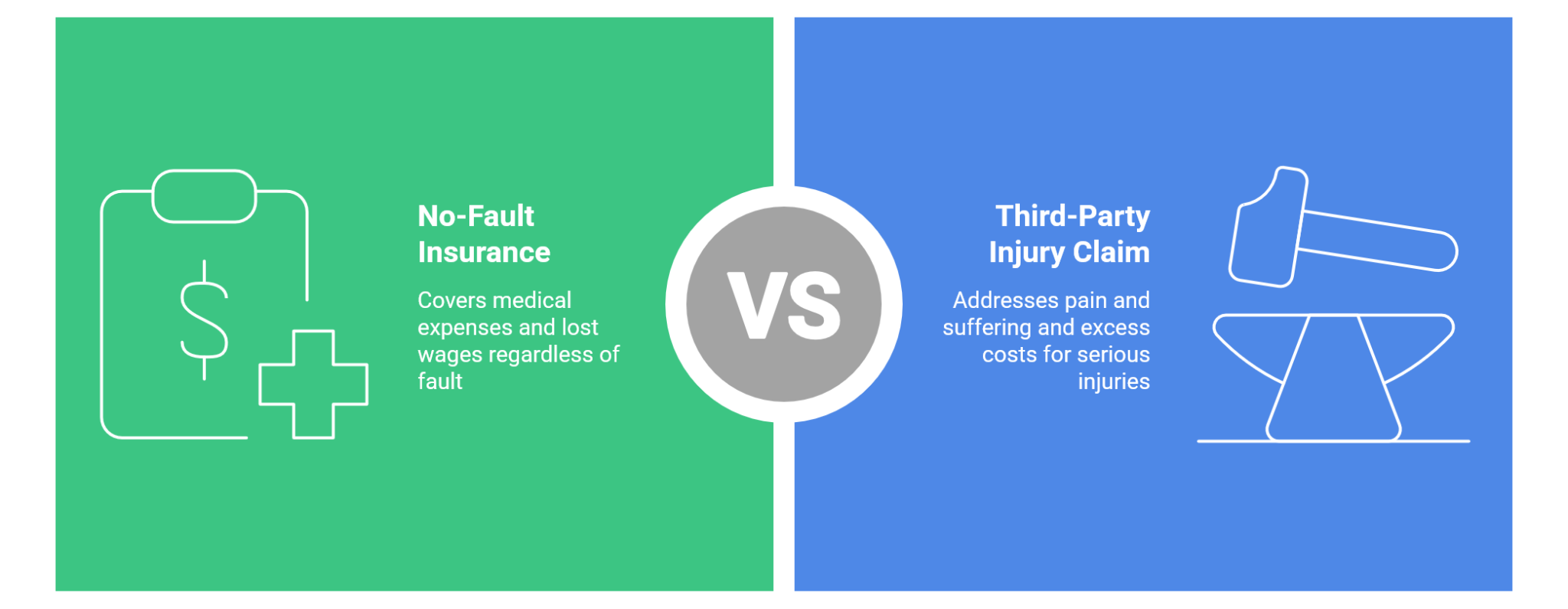
After a car accident in Michigan, injured drivers may receive compensation through the state’s no-fault insurance system and, in serious injury cases, through a claim against the at-fault driver. No-fault benefits typically cover medical expenses, wage loss, and other crash-related costs, while additional damages may be available if the injury meets Michigan’s serious impairment threshold.
After a car accident in Michigan, compensation is primarily governed by the state’s no-fault insurance system. This system allows injured drivers and passengers to receive certain benefits from their own insurance policy, including medical expenses, wage loss, and other crash-related costs, regardless of who caused the accident.
However, no-fault benefits do not cover every type of loss. When injuries are serious enough under Michigan law, a person may also pursue additional compensation from the at-fault driver through a negligence claim. Understanding how these two systems work together is essential for evaluating a car accident injury claim and determining what compensation may be available after a crash.
Key Takeaways
- No-fault insurance benefits may cover medical bills and lost wages after a Michigan car accident.
- Additional compensation may be available if injuries meet Michigan’s serious impairment threshold.
- Medical records and injury severity play a major role in evaluating a claim.
- Insurance coverage limits can affect the total compensation available.
- Understanding the claims process helps protect your legal rights after a crash.
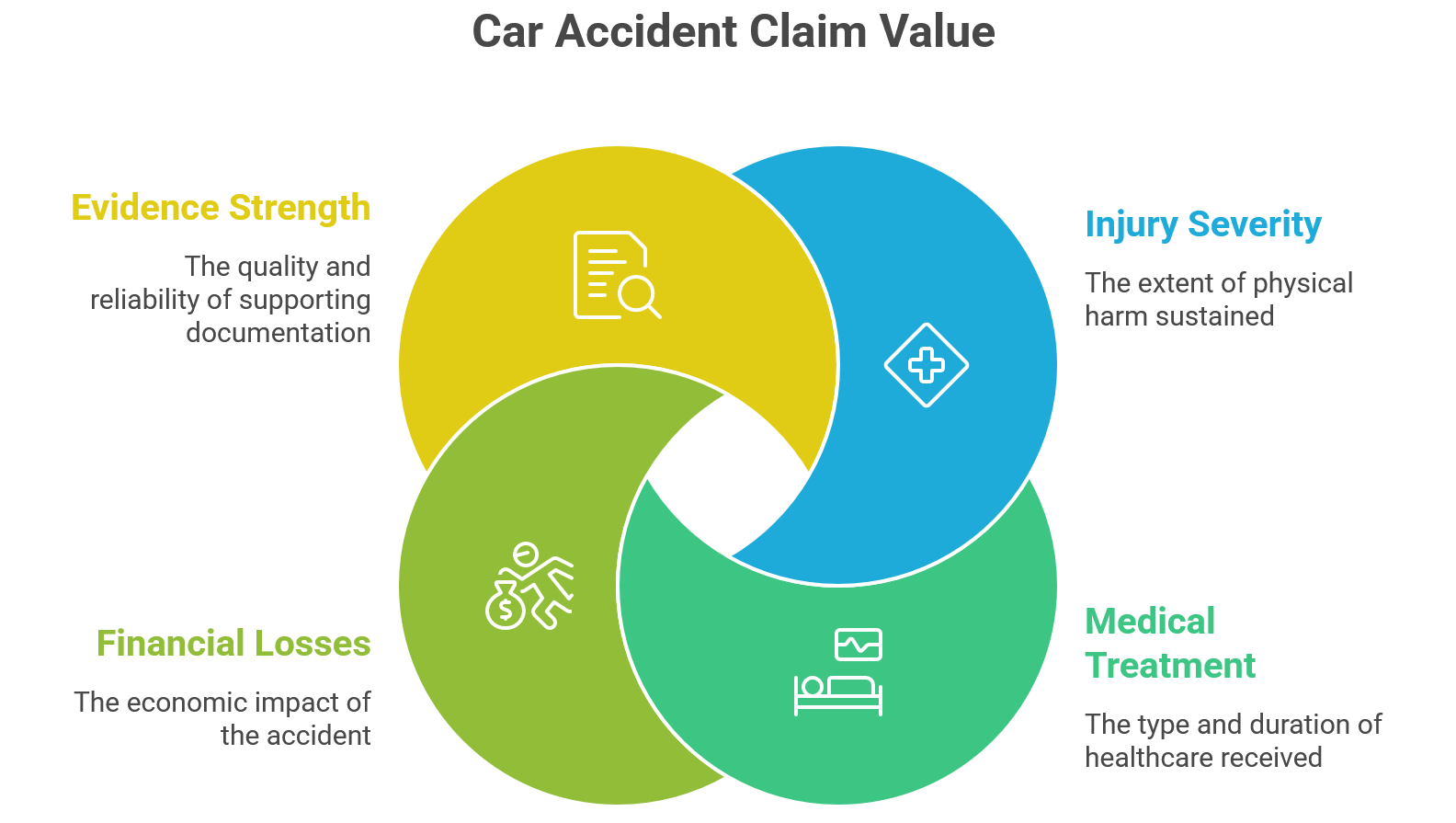
The amount of compensation available after a Michigan car accident can vary widely depending on several legal and factual factors. Insurance companies and attorneys evaluate injury severity, medical documentation, available insurance coverage, and the evidence showing how the crash occurred. Understanding these factors helps explain why some injury claims involve significantly higher compensation than others.
📊 Key Factors That Influence Car Accident Compensation
| Factor | Why It Matters |
|---|---|
| Injury Severity | Serious injuries often lead to higher medical costs and greater long-term losses. |
| Medical Treatment | Medical records document the nature and extent of injuries caused by the crash. |
| Long-Term Disability | Permanent impairment can increase the financial and personal impact of an injury claim. |
| Insurance Coverage | Available insurance policies may limit the total compensation that can be recovered. |
| Evidence Strength | Police reports, photographs, and witness statements help establish liability and damages. |
Bottom line: The severity of the injury, the available insurance coverage, and the strength of the evidence are often the most important factors in determining the compensation available after a car accident.
Factors That Can Increase Car Accident Compensation
Not all car accident injury claims are evaluated the same way. Certain circumstances can significantly increase the amount of compensation available after a crash, particularly when injuries are severe or the long-term impact is substantial. Insurance companies and attorneys often consider several factors when determining the potential value of a car accident injury claim.
📊 Factors That May Increase Car Accident Compensation
| Factor | How It Can Affect Compensation |
|---|---|
| Clear Liability | When fault is clearly established, disputes are less likely to delay or reduce compensation. |
| Extensive Medical Treatment | Ongoing medical care and specialist treatment often indicate more serious injuries. |
| Surgical Procedures | Surgery frequently reflects significant trauma and long-term medical impact. |
| Permanent Impairment | Lasting physical limitations or disability may increase long-term damages. |
| Lost Earning Capacity | Injuries that affect the ability to work can increase financial losses. |
Bottom line: Claims involving serious injuries, long-term medical care, and clear liability often result in significantly higher compensation.
How Car Accident Claim Value Is Calculated
The value of a car accident injury claim is usually determined by examining several categories of damages and how the crash affected the injured person’s life. Medical costs, the severity of the injury, long-term limitations, and available insurance coverage are all factors that may influence the total compensation available after a crash. Our page explaining how much a car accident case may be worth in Michigan provides a deeper breakdown of how these claims are evaluated.
While every case is different, certain types of injuries tend to involve more extensive medical care and long-term impact. Reviewing examples of average car accident compensation in Michigan can help provide general context for how injury severity may affect the value of a claim.
Common Injury Factors That Influence Claim Value
- Whiplash injuries often involve physical therapy, follow-up care, and missed work.
- Broken bones may require surgery, rehabilitation, and extended recovery time.
- Herniated discs can lead to chronic pain, nerve damage, and long-term treatment.
- Traumatic brain injuries frequently involve neurological care and long-term monitoring.
- Spinal cord injuries may result in permanent disability and lifelong medical support.
Bottom line: Injuries that require extensive treatment, long-term care, or cause permanent impairment typically result in significantly higher compensation in a car accident claim.
Estimate the Value of Your Car Accident Claim
Estimating the value of a car accident claim requires looking at several factors that affect both the financial losses and the long-term impact of an injury. Because every accident is different, the potential compensation available in a claim often depends on the severity of the injuries, the medical treatment required, and the insurance coverage involved. Our guide explaining how car accident case value is evaluated in Michigan provides a more detailed breakdown of how these factors influence compensation.
Common Factors Used to Evaluate a Claim
- Severity of the injury
- Total medical treatment costs
- Long-term disability or impairment
- Lost income or reduced earning capacity
- Available insurance coverage
Bottom line: The most accurate way to estimate the value of a car accident claim is to evaluate the medical evidence, financial losses, and long-term effects of the injury.
Economic and Non-Economic Damages
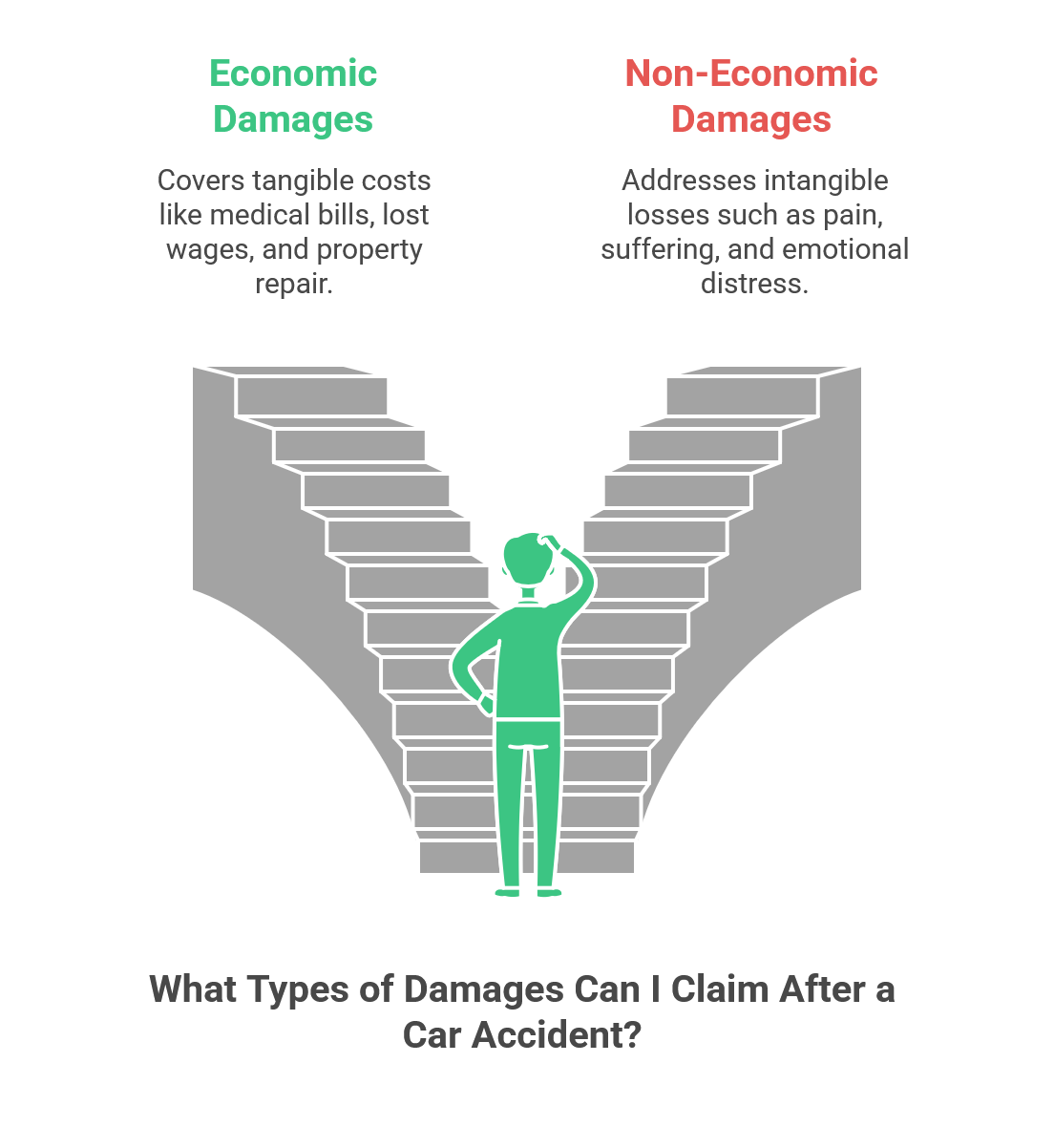
Car accident compensation is generally divided into two main categories of damages: economic damages and non-economic damages. These categories help courts, insurance companies, and attorneys evaluate the different types of losses that may result from a crash. Our guide explaining economic and non-economic damages in Michigan car accident cases provides a deeper breakdown of how these losses are calculated.
Economic Damages
Economic damages refer to the financial losses caused by an accident. These damages are typically supported by documentation such as medical bills, treatment records, and wage statements. Examples often include medical expenses, lost wages, rehabilitation costs, and other out-of-pocket expenses related to the injury.
Non-Economic Damages
Non-economic damages compensate for the personal and emotional impact of an injury. These damages may include pain and suffering, emotional distress, reduced quality of life, and other non-financial losses. In serious injury cases, long-term effects such as chronic pain or permanent disability may significantly affect this portion of a claim.
Pain and Suffering Compensation
In addition to financial losses, injured drivers may be entitled to compensation for the physical pain and emotional impact caused by a serious accident. Pain and suffering damages are intended to address the non-economic effects of an injury, such as chronic pain, emotional distress, and reduced quality of life. Our guide on pain and suffering compensation after a Michigan car accident explains how these damages are evaluated and when they may be available under Michigan law.
Future Medical Costs and Long-Term Losses
Some car accident injuries require medical care long after the initial crash. Ongoing treatment may include follow-up surgeries, rehabilitation, physical therapy, medications, or assistive devices needed to manage lasting injuries. In serious cases involving permanent disability or chronic medical conditions, these long-term costs can become a significant part of an injury claim. Our page explaining future medical expenses after a Michigan car accident provides a deeper look at how ongoing treatment and projected medical care may affect compensation.
How Long Car Accident Claims Usually Take
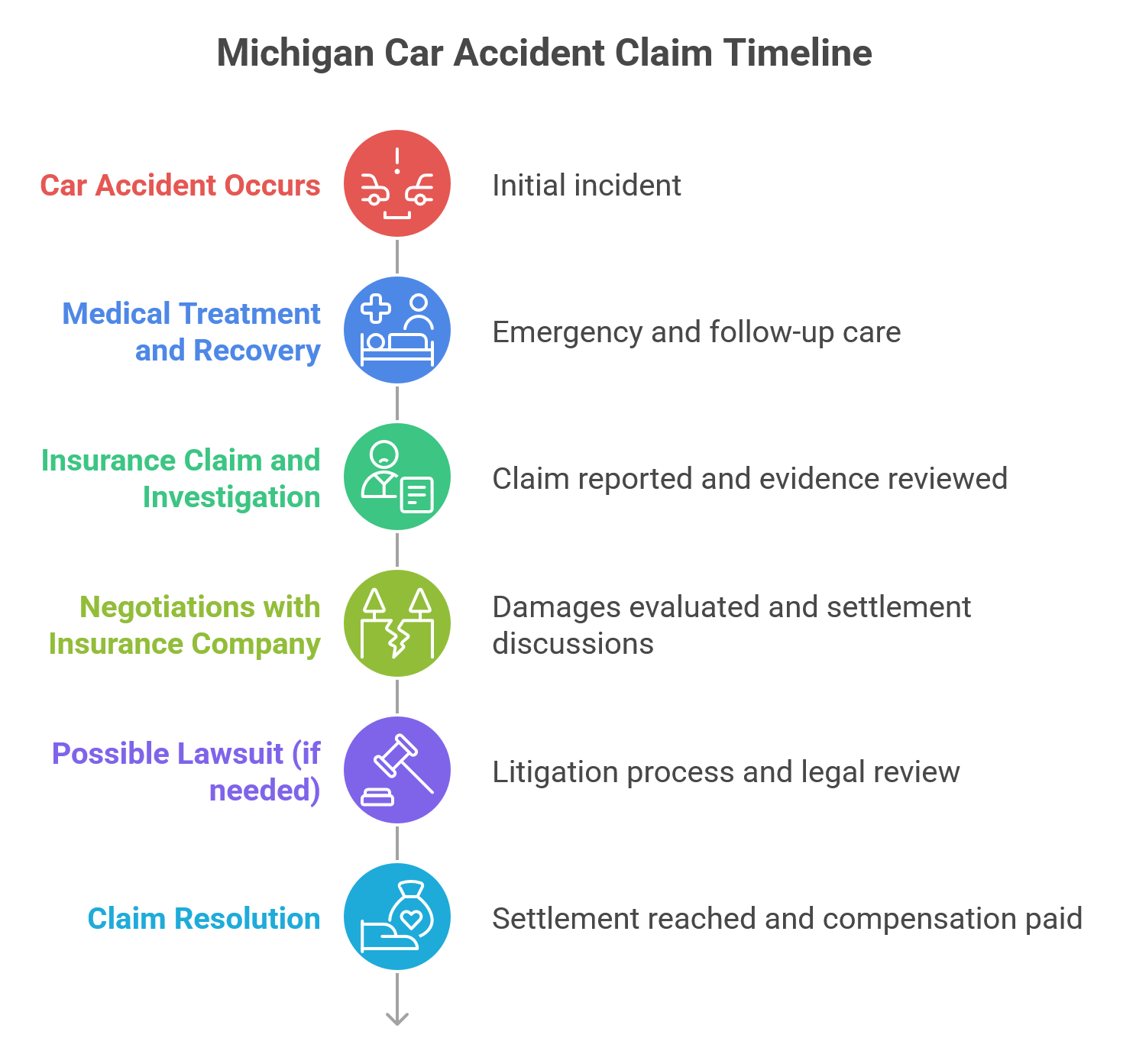
The amount of time it takes to resolve a car accident claim can vary depending on the severity of the injuries and the complexity of the case. In many situations, the claims process begins with medical treatment and recovery so that the full extent of the injuries can be properly evaluated. Our guide explaining how long a car accident settlement usually takes in Michigan provides a more detailed overview of the timeline involved in these cases.
Several factors may affect how long a claim takes to resolve, including the length of medical recovery, negotiations with insurance companies, and whether a lawsuit becomes necessary. Cases involving serious injuries or disputed liability often take longer because additional medical documentation and legal review may be required before compensation can be finalized.
Strategies for Maximizing Car Accident Compensation
The steps taken after a car accident can significantly affect the compensation available in an injury claim. Careful documentation, preserving evidence, and understanding how insurance companies evaluate claims can help protect the full value of a case. Our guide on how to maximize compensation after a Michigan car accident explains additional strategies that may strengthen an injury claim.
Steps That May Help Protect the Value of a Claim
- Document medical treatment carefully and follow recommended care plans.
- Preserve crash evidence, including photographs, witness information, and police reports.
- Avoid accepting early insurance offers before the full impact of injuries is understood.
- Understand available insurance coverage limits, including liability and uninsured motorist policies.
Bottom line: Strong documentation, clear evidence, and careful handling of insurance communications can help ensure that an injury claim reflects the true impact of the accident.
Explore Related Michigan Car Accident Guides
These guides explain how Michigan car accident cases are investigated, how injuries affect claims, and how insurance and legal procedures influence compensation.
Michigan Car Accident Legal Process
Learn how accident claims move from investigation through negotiation, litigation, and possible trial.
Common Types of Car Accidents in Michigan
See how different crash scenarios affect fault, liability, and injury claims.
Common Car Accident Injuries in Michigan
Understand the injuries most often involved in serious Michigan auto accident cases.
Michigan Car Accident Insurance and No-Fault Guide
Understand how Michigan no-fault insurance works and which coverage may apply after a crash.
Frequently Asked Questions
What factors increase a car accident settlement?
Several factors can increase the value of a car accident settlement, including the severity of the injuries, the total cost of medical treatment, and whether the injuries cause long-term limitations. Cases involving surgery, permanent disability, or an inability to return to work often result in higher compensation. The amount of available insurance coverage can also affect the final settlement.
How are pain and suffering damages calculated?
Pain and suffering damages are evaluated by considering how an injury affects a person’s daily life, physical health, and ability to work or function normally. Medical records, treatment history, and testimony about the impact of the injury are often used to support these damages. In Michigan, pain and suffering claims are generally allowed when the injury qualifies as a serious impairment of body function.
Can you recover future medical expenses?
Yes. If a car accident causes injuries that require ongoing treatment, compensation may include future medical expenses. This can cover anticipated surgeries, rehabilitation, long-term therapy, or other necessary care related to the injury. Medical experts are often used to estimate the expected cost of future treatment.
Get a Free Consultation After a Michigan Car Accident
The amount of compensation available after a car accident often depends on the severity of the injuries, the medical treatment required, and the evidence showing how the crash occurred. Because every accident is different, evaluating a claim usually requires a careful review of medical records, insurance coverage, and the long-term impact of the injuries.
At The Clark Law Office, serious injury claims are evaluated with direct attorney involvement from start to finish. We review medical documentation, analyze available insurance policies, and examine the circumstances of the crash to determine what compensation may be available under Michigan law.
If you have been injured in a crash and want to understand your legal options, seeking legal help after a car accident in Michigan can help you determine what compensation may be available. Contact The Clark Law Office to schedule a free consultation and discuss your situation.

Attorney Review
Legally reviewed by
Matthew R. Clark focuses exclusively on personal injury and wrongful death cases throughout Mid-Michigan. He graduated from Michigan State University College of Law and trained at The Geoffrey Fieger Trial Practice Institute. His practice includes serious car accident, no-fault insurance, and catastrophic injury claims, and he has recovered millions for injured clients while providing direct attorney-level representation from start to finish.